A slow kitchen sink that keeps coming back. A main line that backs up into the tub every few months. Every time, it gets snaked, works for a while, and then it’s back.
When a drain keeps clogging, the problem usually isn’t the clog. It’s what’s coating the inside of the pipe. That’s where hydro jetting comes in. Jason Miller has been clearing drains for more than 24 years, and here’s how he explains the difference.
Why Drains Clog Differently in the Las Vegas Valley
Mineral scale
Our hard water leaves deposits inside drain lines just like it does on faucets. In older cast iron drains, common in homes built before the mid-1980s, scale and rust form a rough, crusty surface. Grease, soap and food particles stick to that surface and build up fast.
Grease and soap
Kitchen lines collect cooking grease that hardens as it cools. Bathroom lines collect soap scum and hair. Low-flow fixtures, which make sense in a desert, also mean less water pushing waste along, so buildup has more time to settle.
Roots
Even in the desert, roots find water. Mature trees, especially ones on drip irrigation near the sewer lateral, will push roots into joints and cracks in older clay or cast iron lines.
Construction debris and sand
In some homes we find sand, grout, or debris that’s been sitting in the line since the house was built or remodeled.
What Snaking (Cabling) Does
A drain snake, or cable machine, feeds a rotating steel cable with a cutting head through the line. It punches through the blockage and restores flow.
Good for: Simple clogs like a hair ball, a toy, or a localized grease plug. It’s also good for a fast fix when water is backing up right now.
Limitation: A snake bores a hole through the blockage, but it leaves most of the buildup on the pipe walls. That’s why snaked lines often clog again.
What Hydro Jetting Does
Hydro jetting sends highly pressurized water through a specialized hose and nozzle. The nozzle has jets aimed backward that pull it forward and forward jets that break up blockages. As it travels, it scours the full diameter of the pipe, flushing out grease, scale, sludge and roots.
Good for:
- Recurring clogs in the same line
- Kitchen lines packed with grease
- Main sewer lines with heavy buildup
- Root intrusion (often combined with cutting)
- Restaurants and commercial kitchens on a maintenance schedule
Limitation: Hydro jetting isn’t the right tool for every pipe. Severely deteriorated cast iron, collapsed sections or badly offset joints need to be identified first, because high pressure on a failing pipe can make things worse.
Why a Camera Inspection Usually Comes First
Before jetting a main line, we recommend a sewer camera inspection. A waterproof camera on a cable shows:
- What’s causing the blockage (grease, roots, scale, a foreign object)
- The pipe material and condition
- Bellies (low spots where waste pools), cracks, offsets or breaks
- Exactly where a problem is located and how deep it is
That way you’re not paying for a cleaning that a broken pipe will undo, and you can see the line for yourself, before and after.
Signs It’s Time for More Than a Snake
- The same drain has clogged two or more times in a year
- Multiple fixtures are slow at once (often a main line issue)
- Gurgling toilets when the washer drains
- Sewage odor in the yard or house
- Water backing up into the tub or shower when a toilet is flushed
- You live in an older home with original cast iron or clay sewer pipe
Keeping Drains Clear Between Cleanings
- Never pour grease down the sink. Let it cool, wipe the pan, and throw it in the trash.
- Use strainers in kitchen and shower drains.
- Skip chemical drain openers. They can damage pipes, especially older ones, and they rarely clear the real problem.
- Run hot water after the dishwasher or after heavy kitchen use.
- Only flush toilet paper. “Flushable” wipes are a common cause of main line backups.
- For restaurants: stay on a regular grease trap and line maintenance schedule.
Frequently Asked Questions
Is hydro jetting safe for my pipes?
On pipes in sound condition, yes. Pressure is adjusted for the pipe size and material. That’s why we inspect older lines with a camera first.
How often should a main line be jetted?
Most homes don’t need it on a schedule. Homes with recurring root or grease problems, and commercial kitchens, often benefit from regular maintenance. Your camera inspection will tell you which group you’re in.
Can hydro jetting remove tree roots?
It can cut and flush out roots, and it’s often combined with mechanical cutting. Roots will eventually grow back through damaged joints, so a long-term fix may involve repairing that section.
Is hydro jetting the same as rooter service?
“Rooter” usually means mechanical snaking. Hydro jetting uses water pressure and cleans the whole pipe wall instead of just boring through the clog.
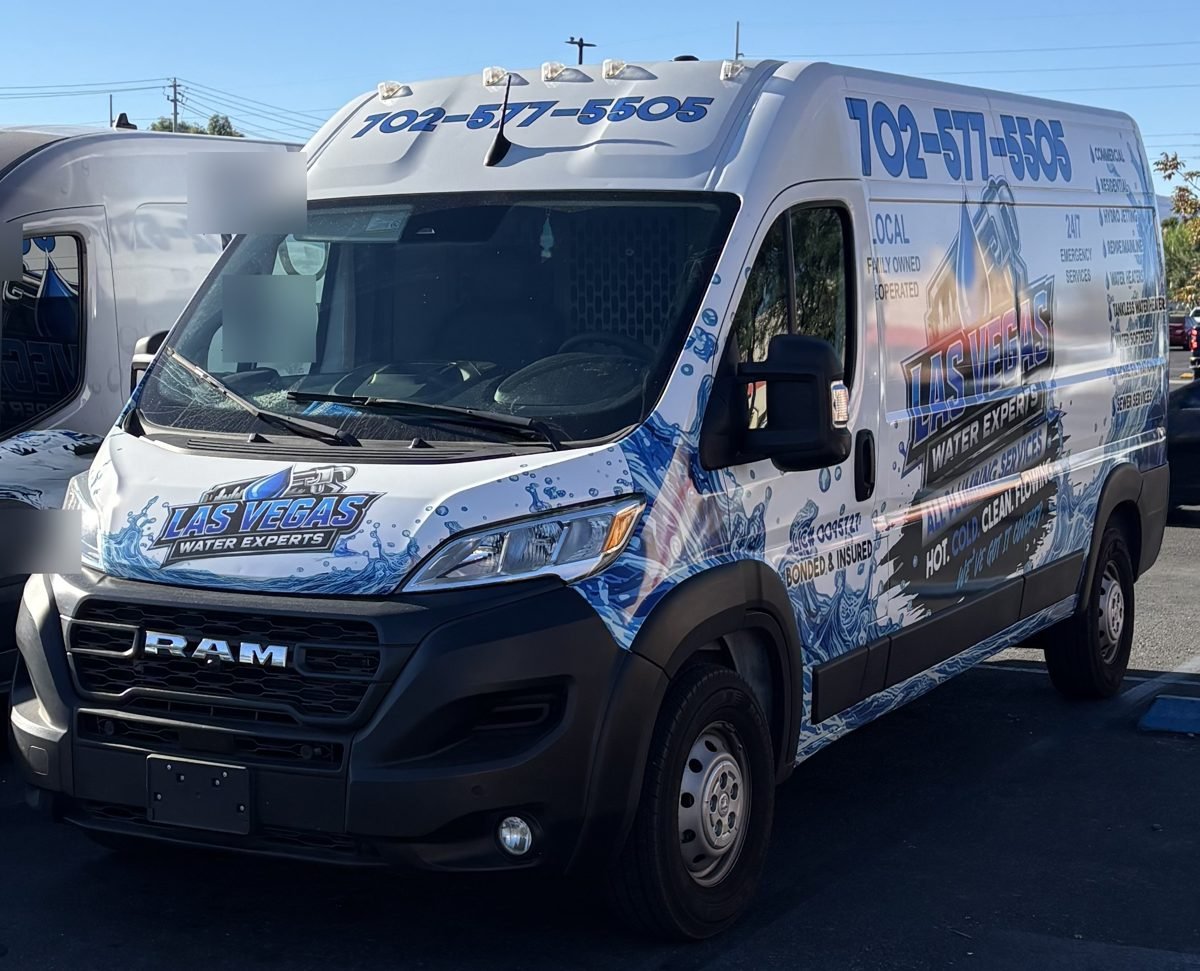
Same drain, same clog, again? Las Vegas Water Experts offers drain cleaning, sewer camera inspections and hydro jetting for homes and businesses in Henderson and across the Las Vegas Valley. We’re family owned, licensed, bonded and insured, and available 24/7. Call 702-577-5505. NV LIC# 0095727. Prefer to write? Use our contact page.
Leave a Reply